Your SABCS Patient Advocate Experience
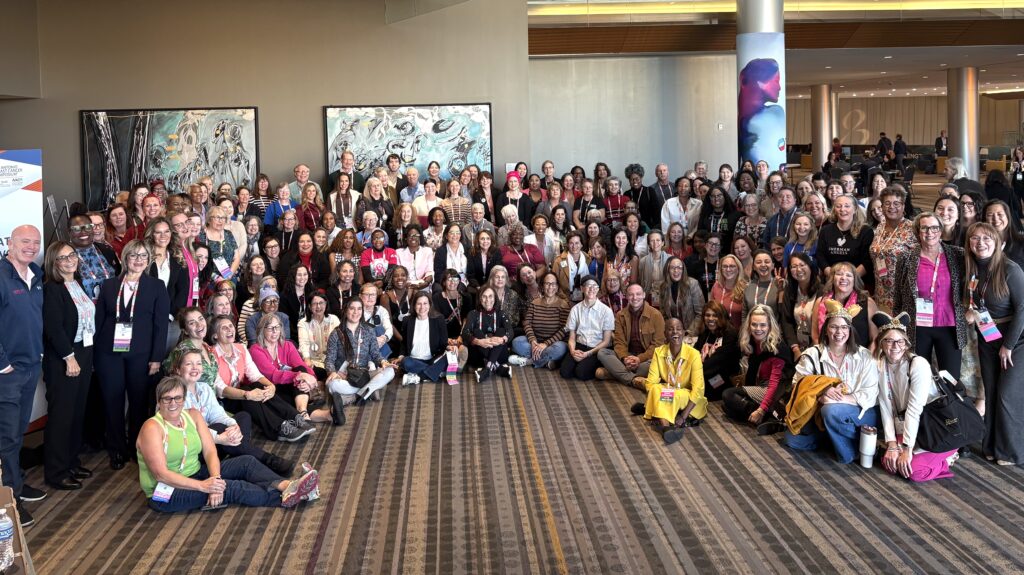
Patient advocates are integral to the planning and success of the SABCS scientific program, ensuring the patient voice is represented throughout the Symposium.
In 2026, 23 patient advocates will serve as panelists and speakers, including Program Committee members Carole Baas, Vernal Branch, Christine Hodgkins and Mary Jimenez.
Find more information about patient advocate resources and services below.
SABCS offers educational programs, networking opportunities and events developed by and for patient advocates. A full schedule of patient advocate programs and events will be available closer to the Symposium.
Find current program information and opportunities below.
Supporting Patient Advocates at SABCS
Launched in 2024, the Patient Advocate Pavilion provides complimentary exhibitor space for a wide range of patient advocacy organizations and offers advocates and attendees a unique opportunity to connect.
Special thanks to Pfizer for their generous support of the Patient Advocate Pavilion.
The lounge is an exclusive space for patient advocates to meet, network, and recharge during the Symposium. Breakfast and lunch will be served Tuesday, Dec. 8, through Friday, Dec. 11.
Special thanks to Eli Lilly for supporting the Patient Advocate Lounge.
- Tuesday, December 8
- Lunch Available: 11:30 AM-1:00 PM
- Snacks Available: 11:30 AM-5:00 PM
- Wednesday-Friday, December 9-11
- Breakfast Available: 7:00-9:00 AM
- Lunch Available: 11:30 AM-1:00 PM
- Snacks Available: 7:00 AM-5:00 PM
Registration Details
The reduced patient advocate registration rate is reserved for individuals whose primary role is patient advocacy, helping ensure equitable access for advocates who may participate without institutional or grant support.
Researchers, scientists, physicians, nurses, clinicians, trainees, industry staff, consultants and other health professionals are not eligible for the reduced rate, even if patient advocacy is part of their work.
How to Register:
- Go to the SABCS Registration Page https://corereg.cmrus.com/sabcs2026
- Select “Start new registration and/or hotel reservation”
- Enter your Email Address
- Select Patient Advocate
- Complete your Attendee Profile
- Submit the Patient Advocate Verification Form
- Monitor your email for an invoice to finalize your registration.
- Watch for a confirmation email with your SABCS 2026 registration details.
Email advocacy@aacr.org with any questions.
To qualify for the reduced patient advocate registration rate, all applicants must complete and submit a Patient Advocate Verification Form for review and approval by SABCS staff before their registration can be finalized. Verification forms are typically reviewed within 3–5 business days to confirm eligibility for the patient advocate category.
Applicants will be notified if additional information is needed or if their verification request is not approved. Verification forms that remain incomplete or are denied will result in the registrant being moved to the appropriate full SABCS registration category and charged the corresponding registration rate. Applicants are responsible for monitoring their email for any communications regarding their verification or registration.
To qualify, applicants must demonstrate that patient advocacy is their primary professional or volunteer role and that they are dedicated to advancing patient interests in cancer research and policy.
Applicants must be employed by or volunteer with a not-for-profit patient advocacy organization focused on improving the lives of people affected by cancer.
The organization must:
- Have a clearly defined charitable mission
- Actively engage in patient advocacy as its primary focus
- Provide programs, activities, or services that directly benefit patients with cancer
- Not provide direct clinical care services or operate wet laboratory/research facilities as a primary organizational function
The following individuals are not eligible for the reduced patient advocate registration rate. Individuals whose primary professional identity is as a:
- Researcher or scientist
- Physician, nurse, or other clinician
- Trainee or student in a scientific or clinical discipline
- Health care professional or academic faculty member
- Applicants with five or more years of laboratory research experience or actively engaged in research
- Applicants actively engaged in clinical practice
- Current or former AACR Active, Affiliate (not approved as an advocate member), or Associate members
Individuals employed by or representing Industry, or a consulting firm serving Industry
Please note: This applies even if such individuals collaborate with, support, or work alongside patient advocates.
Please note that all patient advocates are required to complete a Patient Advocate Verification Form annually.
Approval in previous years does not guarantee approval for future meetings, as eligibility criteria for this special registration category may evolve to reflect the attributes of the patient advocacy community. Questions regarding eligibility or the verification process may be directed to advocacy@aacr.org
SABCS is pleased to offer a limited number of patient advocate scholarships that provide complimentary registration. Scholarships are awarded based on financial need and are distributed on a rolling basis. Organizations may receive up to two scholarships per year.
Applications must be submitted by Tuesday, November 17. Scholarships are non-transferable.
For more information on patient advocate programs at SABCS, please email advocacy@aacr.org.
SABCS Patient Advocate Supporters
SABCS is grateful to the patient advocacy organizations that support educational opportunities and attendee travel to the Symposium.
Alamo Breast Cancer Foundation (ABCF) is a non-profit 501(c)(3) organization focused on grassroots advocacy, education, and support. Formed in 1992, ABCF’s mission is to end breast cancer by assisting patients, informing policymakers and expanding knowledge through education and community outreach.
The Inflammatory Breast Cancer (IBC) Network Foundation is a non-profit 501(c)(3) formed by IBC survivor Terry Arnold to educate everyone about IBC. The foundation funds research pertaining to IBC and provides proactive education to the general population and the medical community.
The mission of the Lobular Breast Cancer Alliance (LBCA) is to make all who are touched by invasive lobular carcinoma (ILC) aware of its unique characteristics and the critical need for more ILC research; to be the go-to source for information on ILC studies, clinical trials and educational tools; to foster partnerships among patients, scientists, clinicians, and breast cancer organizations to increase dialogue about ILC and research advocacy; and to fund vital ILC research.
The Male Breast Cancer Global Alliance, a 501(c)(3) nonprofit, brings men with breast cancer together with researchers, clinicians, and oncologists around the world for the purpose of advancing research, clinical trials, and treatments. The Alliance advocates for all men diagnosed with breast cancer to ensure they receive equal access to support and treatment; serves as a source of support and resources for the men, their care partners, and families; and recruits volunteer “ambassadors” to increase awareness on a global scale.
As a collective of cancer nonprofits, pharmaceutical and biotech industry members, and individual patient advocates, the Metastatic Breast Cancer Alliance serves as a national leader in collaborative action to transform and improve the lives of people living with metastatic breast cancer. We leverage the resources and knowledge of our dynamic group of trusted experts to increase awareness and education about the disease, and advocate for policy changes and increased funding for research that holds the potential to extend and enhance life—and ultimately end MBC.
For more information on how patient advocacy organizations and foundations can support SABCS, please email morgan.robinson@aacr.org.
Additional Programs for Patient Advocates
A number of additional educational programs and networking events are developed by and for patient advocates attending SABCS. A daily schedule of events will be provided closer to the meeting.
Monday, December 7; 2:30-4:00 PM; San Antonio Marriott Rivercenter on the Riverwalk (101 Bowie Street)
Tuesday, December 8-Friday, December 11; Room 225 ABC
Every year, the Alamo Breast Cancer Foundation (ABCF) sponsors a host of special mentoring and education sessions for patient advocates attending SABCS or participating virtually. In the Hot Topics Mentoring Sessions, leading experts in the field of breast cancer provide commentary on symposium presentations and respond to advocates’ questions about the relevance of this scientific data. Daily Educational Programs provide additional advocate-focused scientific information. All programming is available on-site and online for virtual registrants and then archived for view on the ABCF YouTube channel.
The First Annual Advocate Program was held in 1997, in conjunction with the 21st Annual San Antonio Breast Cancer Symposium. From inception, the program has been specially designed to address the needs of patient advocates and those who support them. Each year travel grants are awarded to a select group of international and national scholars to attend SABCS. ABCF also sponsors mentoring and educational sessions discussed above, which are open to all SABCS registrants and available virtually during the conference and then on the ABCF YouTube channel.
Administration of the Alamo Advocate Program is handled entirely by ABCF. In addition to the free onsite and virtual programming, ABCF awards a limited number of travel grants to patient advocates attending SABCS. Scholars are required to complete preparatory study, attend designated SABCS and AAP sessions, work with a patient advocate mentor, and prepare a paper on a topic covered at the meeting, for distribution to advocates in their home organization and by ABCF. For more information, email aap@alamobreastcancer.org or visit Alamo’s Booth on the Exhibitor Floor.
Patient Advocate Pavilion
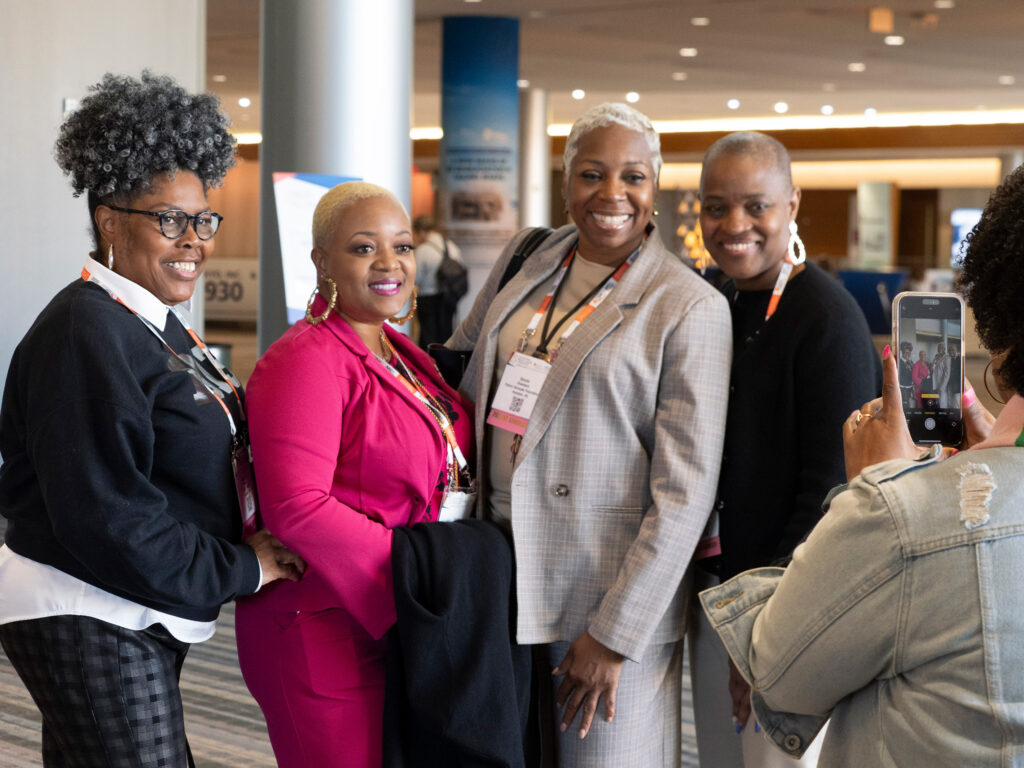
The Patient Advocate Pavilion at SABCS® is a dedicated space in the Exhibit Hall where advocacy meets innovation. Featuring a wide range of nonprofit organizations, the Pavilion fosters connection, collaboration, and education around patient-centered breast cancer care.
Attendees can visit the Pavilion to engage with leading advocacy groups, discover resources for patients and caregivers, and explore how advocacy shapes research and policy.
Learn more about the participating organizations below.
Twisted Pink provides hope and connection to people living with breast cancer while advancing awareness of the disease. The organization is committed to funding innovative metastatic breast cancer research and supporting efforts that improve outcomes and quality of life for those affected by breast cancer.
Founded by patient advocates living with invasive lobular carcinoma (ILC), the Lobular Breast Cancer Alliance works to increase awareness and understanding of lobular breast disease. The organization brings together patients, clinicians, and researchers to advance education, foster collaboration, and promote research focused on improving outcomes for people affected by lobular breast cancer.
Well Beyond Breast Cancer is a nonprofit organization dedicated to improving quality of life for the breast cancer community by expanding access to breast cancer rehabilitation. Through financial assistance, education, and advocacy, the organization works to reduce barriers to care and help individuals achieve optimal health and wellness beyond diagnosis and treatment.
Susan G. Komen is a global nonprofit organization committed to saving lives and ending breast cancer. Through research funding, patient support, advocacy initiatives, education, and efforts to improve access to quality care, Komen addresses breast cancer across the full continuum of care and supports individuals and families around the world.
My Density Matters is a nonprofit organization dedicated to educating women about breast density and its impact on breast cancer detection and risk. Through education, outreach, and advocacy, the organization empowers individuals to understand their screening options and make informed decisions about their breast health.
The IBC Network Foundation is dedicated to raising awareness of inflammatory breast cancer (IBC), a rare and aggressive form of the disease. The foundation supports research initiatives and educational efforts designed to improve understanding, promote earlier diagnosis, and advance outcomes for people affected by IBC.
The Male Breast Cancer Global Alliance works to advance awareness, education, advocacy, and research focused on breast cancer in men. By connecting patients, researchers, clinicians, and advocates, the organization seeks to improve treatment options, clinical trial participation, and outcomes for men diagnosed with breast cancer.
The Breasties is an all-inclusive nonprofit organization that creates community for survivors, previvors, stage 4 thrivers, and caregivers impacted by breast and gynecologic cancers. Through peer-to-peer connection, educational resources, advocacy, and support programs, the organization strives to improve the cancer experience and ensure no one faces it alone.
Breast Cancer Resource Center (BCRC) is a community-based nonprofit dedicated to supporting individuals affected by breast cancer. Through navigation services, education, financial assistance, and supportive programs, BCRC helps people overcome barriers to care, adhere to treatment plans, and make informed decisions throughout their cancer journey.
Pink Fund provides financial support to individuals undergoing active breast cancer treatment by helping cover essential living expenses such as housing, transportation, utilities, and insurance. Through educational resources and supportive programming, the organization enables patients to focus on treatment, recovery, and long-term survivorship.
Unite for HER is a national nonprofit organization that provides integrative therapies, supportive services, and wellness resources to individuals diagnosed with breast and ovarian cancers. By removing financial barriers to complementary care, the organization helps patients access therapies that support their physical and emotional well-being during and after treatment.
GRASP is a patient advocacy and engagement initiative that connects individuals with lived cancer experience to researchers, healthcare innovators, and industry partners. Through advisory groups, collaborative research efforts, and community engagement opportunities, GRASP ensures that patient perspectives help shape the future of cancer care, treatment development, and healthcare innovation.
METAvivor is the only U.S. nonprofit organization dedicated exclusively to funding metastatic breast cancer research. Through research grants, advocacy efforts, and community engagement, the organization works to improve and extend the lives of people living with metastatic breast cancer while advancing progress toward more effective treatments.
Bright Spot Network supports families navigating a parent’s cancer diagnosis by providing resources designed to strengthen family well-being. The organization offers virtual support groups, educational tools, financial assistance, and programs that help parents and children cope with the emotional and practical challenges of cancer.
Stronger Than Cancer is a nonprofit organization focused on breast cancer awareness, patient support, and community service. Through comfort care kits, youth-led volunteer initiatives, and outreach programs, the organization provides encouragement, hope, and meaningful support to patients and survivors.
My Faulty Gene is dedicated to increasing access to genetic education and testing for individuals with a personal or family history of cancer. Through advocacy, outreach, and support services, the organization helps people better understand hereditary cancer risk and access resources that inform prevention and treatment decisions.
Meet H.E.R. is a nonprofit organization founded by young breast cancer survivors to improve access to education, resources, and support across the cancer continuum. Focused on early detection, diagnosis, treatment, survivorship, and wellness, the organization uses lived experience and community engagement to empower women and reduce barriers to care.
For the Breast of Us is a national nonprofit organization created by and for Women of Color impacted by breast cancer. Through advocacy, education, community-building, and culturally relevant programming, the organization works to address disparities in care while creating supportive spaces that honor lived experiences and promote equitable outcomes.
My Sister My Friend Breast Cancer Support is a survivor-led nonprofit organization dedicated to serving vulnerable and underserved communities affected by breast cancer. Through culturally responsive support services, education, advocacy, and research partnerships, the organization works to reduce disparities, improve health literacy, and promote equitable access to care.
ABCD provides free, personalized emotional support and information for individuals impacted by breast cancer. Through one-to-one peer mentoring, trained volunteers with similar lived experiences offer compassionate support that complements medical care and helps ensure no one faces breast cancer alone.
Breastcancer.org is a patient-focused nonprofit organization that provides trusted medical information and support to individuals affected by breast cancer. Through educational resources, expert guidance, and a global online community, the organization empowers people to make informed decisions throughout diagnosis, treatment, and survivorship.
Bay Area Cancer Connections is a nonprofit organization serving individuals affected by breast and ovarian cancer. Through navigation services, support groups, education, financial assistance, and community programs, the organization helps reduce barriers to care while providing practical and emotional support from diagnosis through survivorship.
DCIS Understood is a nonprofit organization dedicated to increasing awareness and understanding of ductal carcinoma in situ (DCIS). Through education, advocacy, and research funding, the organization provides evidence-based resources to patients and works to advance scientific knowledge and treatment approaches for DCIS.
LESLIE’S WEEK is a national nonprofit organization dedicated exclusively to supporting women living with terminal stage 4 metastatic breast cancer and their families. Through compassionate programs and resources, the organization focuses on improving quality of life and helping families make meaningful memories and connections throughout their journey.
Wonders & Worries provides free professional support for children and teenagers coping with a parent’s serious illness. Through evidence-based programs delivered by Certified Child Life Specialists, the organization helps families build communication, resilience, and coping skills while offering resources and education for parents and professionals.
Phoenix International Institute of Rebirth is a nonprofit organization dedicated to improving quality of life for individuals affected by cancer, with a particular focus on breast cancer survivorship. Through psychosocial rehabilitation, education, patient advocacy, and community-based support, the organization promotes emotional healing, resilience, and social reintegration while advancing holistic survivorship care throughout the Caucasus region.
Living Beyond Breast Cancer is a national nonprofit organization that provides trusted information, educational programs, and support services to people affected by breast cancer. Through expert resources, community connections, and evidence-based information, the organization helps individuals make informed decisions and navigate every stage of the breast cancer experience.
HIS Breast Cancer Awareness is a nonprofit organization dedicated to increasing awareness, early detection, and support for men affected by breast cancer. Through education, advocacy, and outreach, the organization promotes access to screening, encourages inclusion of men in research and clinical trials, and works to improve understanding of male breast cancer worldwide.