- William L. McGuire Memorial Lecture Award
- AACR Distinguished Lectureship in Breast Cancer Research
- AACR Outstanding Investigator Award for Breast Cancer Research
William L. McGuire Memorial Lecture Award
The William L. McGuire Memorial Lecture Award is given annually at the San Antonio Breast Cancer Symposium® in recognition of an investigator whose extraordinary and sustained achievements in translational and/or clinical research have made an impact on our understanding of the pathogenesis and/or outcome of breast cancer patients.
The lectureship was established in 1992 in honor of Dr. William L. McGuire, who founded the San Antonio Breast Cancer Symposium with Dr. Charles A. Coltman in 1977. The lectureship commemorates Dr. McGuire’s significant contributions to oncology medicine. His research played a major role in introducing estrogen receptor assays on breast tumor tissue as a guide to treatment decisions for women with breast cancer. Breast cancer patients everywhere now receive these tests.
The lecturer is selected by the SABCS McGuire Award Committee through a nomination process. The selection is based on the following criteria:
- Lecturers are respected figures with an international reputation.
- They have made significant contributions to the field of breast cancer research.
- They are known as skilled presenters.
- They present a topic of high current interest related to the diagnosis and treatment of breast cancer or to the study of its underlying mechanisms.
2025 McGuire Lecture
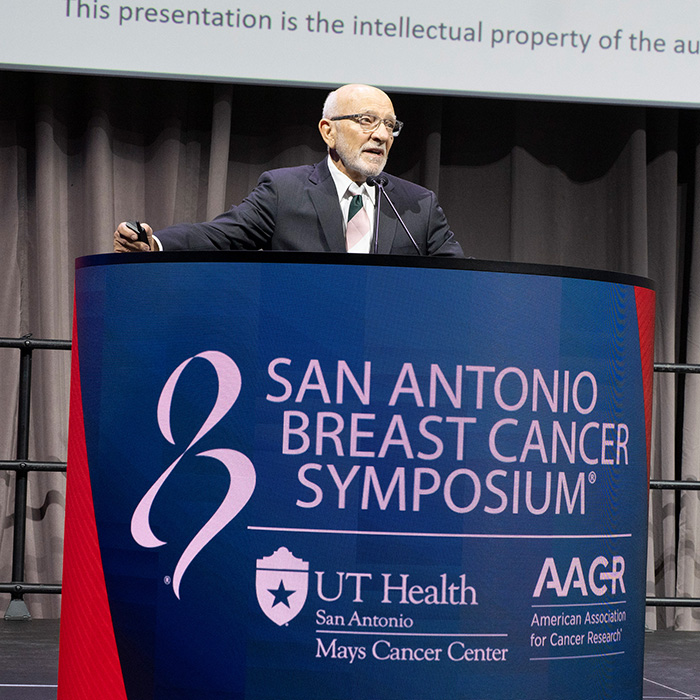
The 2025 recipient of the William L. McGuire Memorial Lecture Award is Armando E. Giuliano, MD. Dr. Giuliano is a professor of surgery and the Linda and Jim Lippman Chair in Surgical Oncology at Cedars-Sinai Medical Center in Los Angeles, where he also serves as chief of breast surgical oncology; regional medical director for Cedars-Sinai Cancer, Breast Oncology; associate director of the Samuel Oschin Comprehensive Cancer Institute; and co-director of the Saul and Joyce Brandman Breast Center – A Project of Women’s Guild.
Dr. Giuliano is being recognized for his pioneering work on sentinel lymph node biopsy for patients with breast cancer, which has transformed the surgical management of this disease.
AACR Distinguished Lectureship in Breast Cancer Research
Supported by Aflac, Inc.
The AACR Distinguished Lectureship in Breast Cancer Research was established to recognize outstanding science that has inspired, or has the potential to inspire, new perspectives on the etiology, diagnosis, treatment, or prevention of breast cancer.
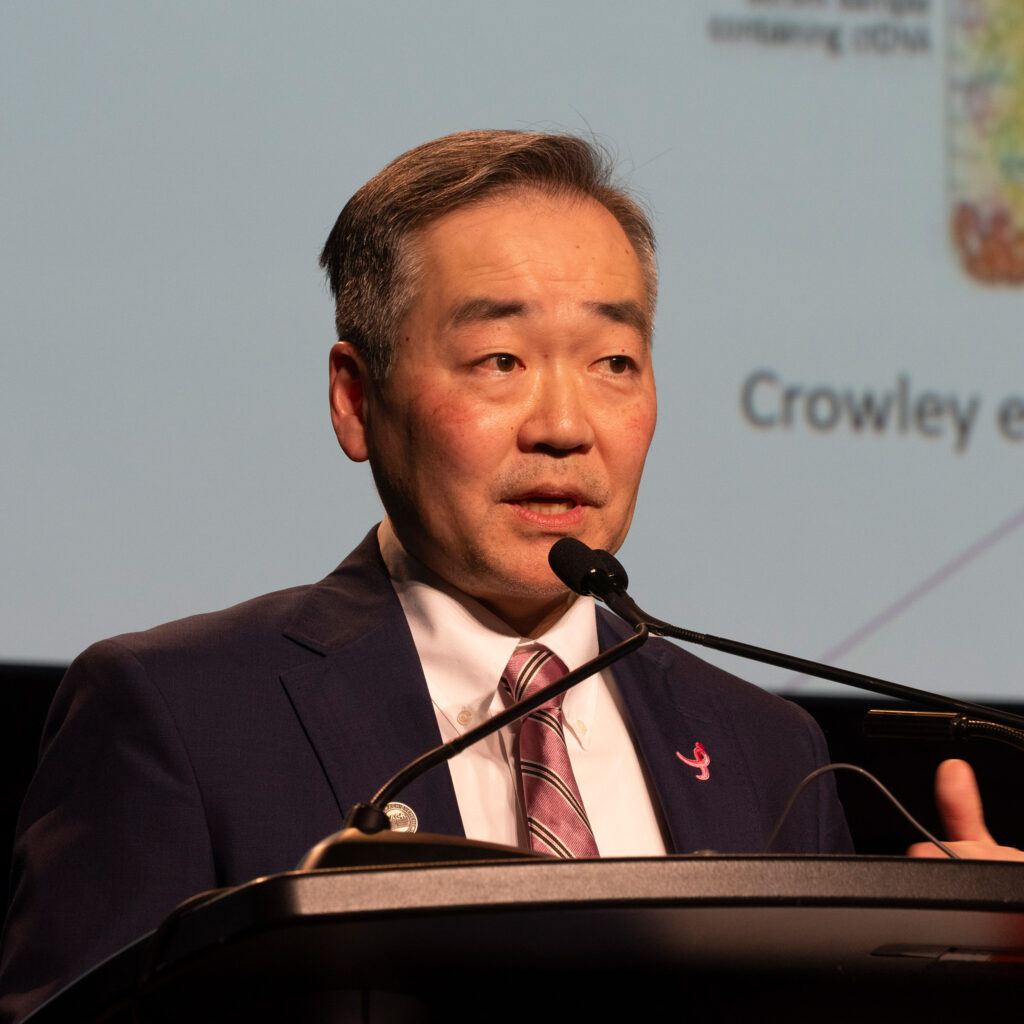
The 2025 recipient of the AACR Distinguished Lectureship in Breast Cancer Research is Ben Ho Park, MD, PhD. Dr. Park is director of the Vanderbilt-Ingram Cancer Center, the Benjamin F. Byrd, Jr. Chair in Oncology, and professor of medicine in the Division of Hematology/Oncology at the Vanderbilt University Medical Center in Nashville, Tennessee.
Dr. Park is being recognized for his groundbreaking research that has transformed our understanding of breast cancer at both the molecular and clinical level–most notably, his pioneering use of cell-free DNA (cfDNA) as a minimally invasive biomarker.
AACR Outstanding Investigator Award for Breast Cancer Research
Supported by The Breast Cancer Research Foundation
The AACR Outstanding Investigator Award for Breast Cancer Research is presented to an investigator no more than 50 years of age whose novel and significant work has had or may have a far-reaching impact on the etiology, detection, diagnosis, treatment, or prevention of breast cancer.
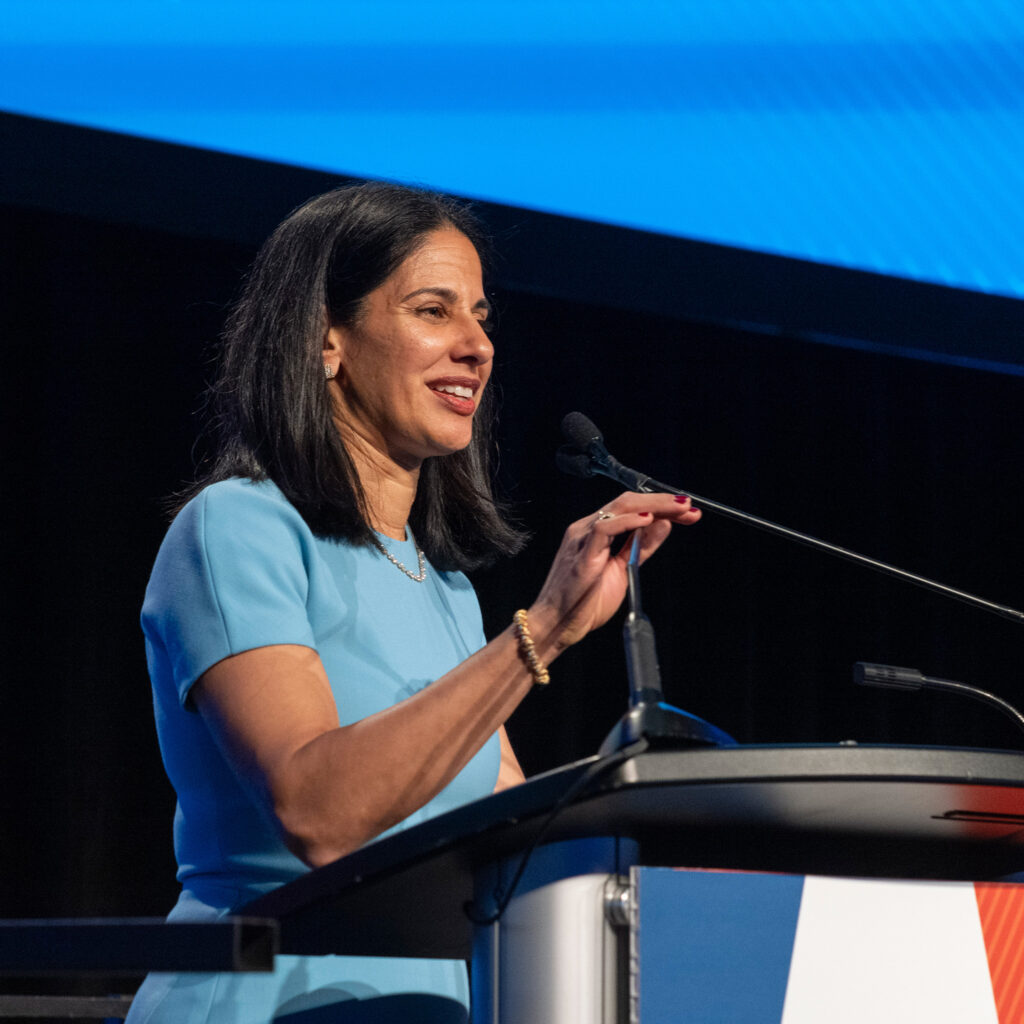
The 2025 recipient of the 2025 AACR Outstanding Investigator Award for Breast Cancer Research is Sara M. Tolaney, MD, MPH. Dr. Tolaney is chief of the Division of Breast Oncology, associate director of the Susan F. Smith Center for Women’s Cancers, and senior physician at the Dana-Farber Cancer Institute. She is also associate professor of medicine at Harvard Medical School in Boston, Massachusetts.
Dr. Tolaney is being recognized for pioneering work dedicated to optimizing targeted therapies for HER2-positive breast cancer through innovative clinical trials–including her APT trial, which demonstrated the efficacy of a less intensive regimen involving paclitaxel and trastuzumab for early-stage, node-negative disease.